
Service
Cavity Wall Insulation
Best suited to many 1930s–1990s cavity-wall homes that need a fast, discreet, lower-cost wall upgrade. Quick installation, no visible change, and honest advice if your walls are not suitable.
Why homeowners choose Rockwarm
Up to 35%
Potential wall heat-loss reduction
2–4 hours
Typical installation time
No visual change
The work is virtually invisible
Who this service usually suits best
When cavity wall insulation is often the right first move
This page is most relevant if your house is likely to have a standard cavity wall and you want a practical wall upgrade without changing the look of the property. It is usually the strongest fit where speed, value, and low disruption matter more than a full exterior transformation.
Many 1930s–1990s cavity-wall homes
If the property has a suitable cavity, cavity wall insulation is often the most obvious first step because it deals with wall heat loss quickly and discreetly.
Homeowners who want a lower-cost route first
If you want a meaningful upgrade without scaffolding, render work, or a full exterior project, cavity fill is often the better-value option to assess first.
Homes where the outside appearance should stay the same
Because the work is virtually invisible once made good, it suits homeowners who want better thermal performance without changing the appearance of the house.
If the property is solid wall, very exposed, affected by damp risk, or already poorly served by old cavity fill, another route may be safer or more effective. That is why we check suitability before recommending the work.
The basics
What cavity wall insulation is
If your home was built after the 1930s, it probably has cavity walls: two layers of brick or block with a gap in between them.
That gap was originally left empty, but an empty cavity still loses a great deal of heat. Warmth from inside the home crosses the cavity and escapes through the outer wall.
Cavity wall insulation fills that gap with insulating material, reducing heat loss and helping the home stay comfortable for longer.
For suitable properties, it is one of the simplest and most cost-effective energy-efficiency improvements you can make.
Why people choose it
Benefits of cavity wall insulation
Reduce heat loss
Unfilled cavity walls are responsible for a significant share of heat escaping from a typical home, so filling them can make a noticeable difference straight away.
Lower energy bills
Less heat loss means less heating demand, which usually translates into meaningful reductions in gas or electricity use.
Warmer rooms
Cold areas near external walls are reduced and rooms tend to warm up faster and stay warm for longer.
Quick installation
Unlike external wall insulation, cavity filling can often be completed in a few hours with minimal disruption.
No change in appearance
The work is designed to be discreet, with drilled holes made good and matched back to the existing mortar joints.
Affordable upgrade
For many suitable homes, it is one of the lowest-cost routes to a worthwhile energy-performance improvement.
The installation process
How cavity wall insulation works
Step 1: Survey
We confirm the property has suitable cavity construction, check for damp or structural concerns, and assess whether filling is appropriate.
Step 2: Drilling
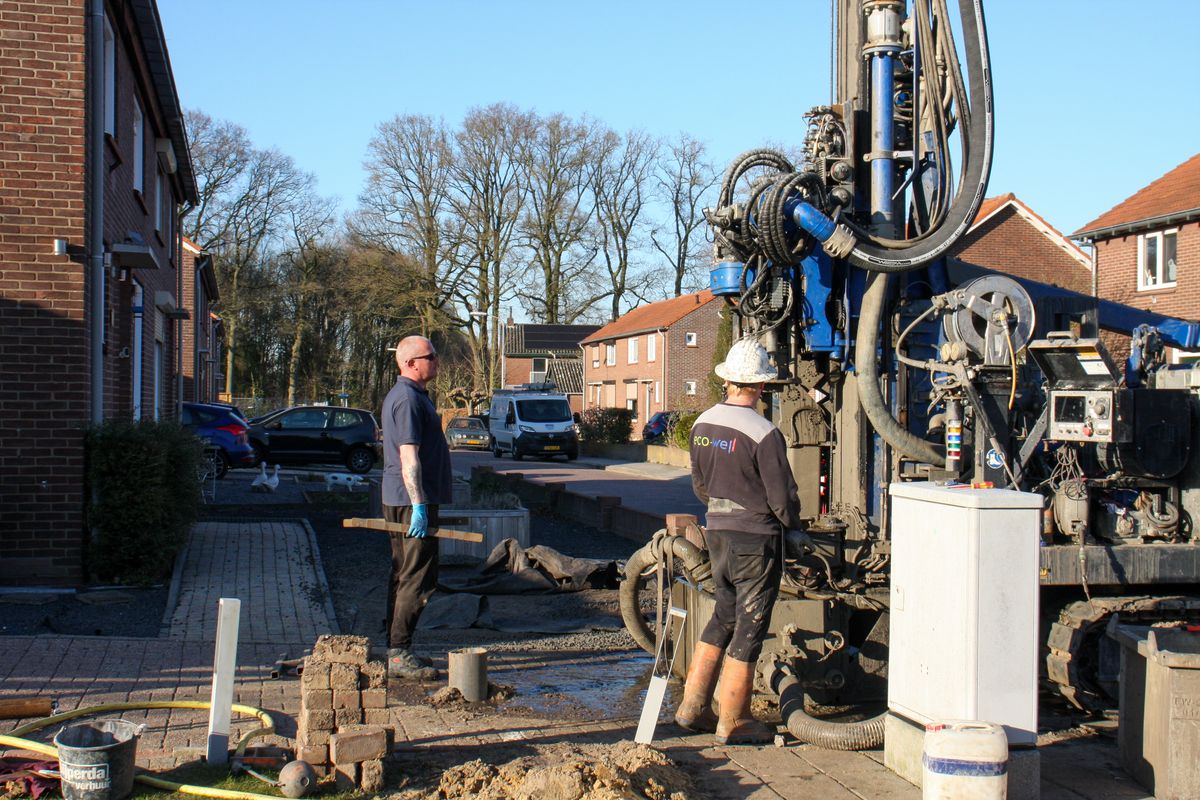
Small holes are drilled into the outer wall, usually in the mortar joints, so the insulation can be injected evenly across the cavity.
Step 3: Injection
The chosen insulation material is pumped into the wall using specialist equipment so the cavity is filled as consistently as possible.
Step 4: Making good
The holes are filled and colour-matched. Once everything settles in, the finished work is typically very hard to spot.
For an average house, the full process is often completed within 2–4 hours, making cavity wall insulation one of the least disruptive improvements available. Just as importantly, the survey helps prevent the costly mistake of filling a wall that should not be filled in the first place.
Is your home suitable?
When cavity wall insulation works best
Good candidates
Homes built between the 1930s and 1990s with standard cavity construction, cavities of at least 50mm, and walls in sound condition are often ideal candidates.
Homes that may not suit it
Pre-1930s solid-wall homes, very narrow cavities, properties with major damp issues, and some non-standard constructions may need a different solution.
Already insulated?
Some older cavity fill has failed or settled over time. If your home was insulated decades ago but still feels cold, the existing material may need attention.
If cavity filling is not the right answer, we will tell you. In many cases, external wall insulation is the better long-term route, especially for older or more exposed homes.
Comparing options
Cavity wall insulation vs external wall insulation
Customers often ask which option is better. The honest answer is that it depends on the construction of the house, the level of improvement you want, and whether you need the quickest discreet wall upgrade or a bigger thermal and exterior transformation.
| Measure | Cavity wall insulation | External wall insulation |
|---|---|---|
| Best suited to | Standard cavity-wall properties | Any wall type, especially solid walls |
| Installation time | Usually hours | Usually 2–3 weeks |
| Cost level | Lower | Higher |
| Thermal improvement | Good | Excellent |
| Visual change | None | Full exterior transformation |
| Disruption | Minimal | Moderate because of scaffolding and finish work |
For many cavity-wall homes, cavity insulation is the obvious first step. For solid walls, external wall insulation is usually the real solution. If your home sits near the boundary between the two, the survey is there to stop you spending money on the wrong system first.
Material options
Cavity insulation materials
Mineral wool
Blown mineral wool is breathable, offers strong thermal performance, and does not retain water in the same way as some alternatives.
Polystyrene beads
EPS beads can be injected with adhesive to create a consistent fill and are often used where the cavity conditions suit them.
Foam systems
Injected foams can work well in some cases, although breathability and property type need to be considered carefully before specification.
The right material depends on the property, the cavity condition, and the building’s exposure. We make that recommendation during the survey rather than from a template.
What to expect on the day
Before, during, and after installation
Before
We arrange a convenient appointment and ask for basic access around the walls so our team can work efficiently and safely.
During
There will be some drilling noise, but the work is usually completed quickly and you can stay in the house throughout the installation.
After
The drilled holes are made good, any dust is cleaned up, and most customers begin noticing a difference in comfort within days.
Completed projects
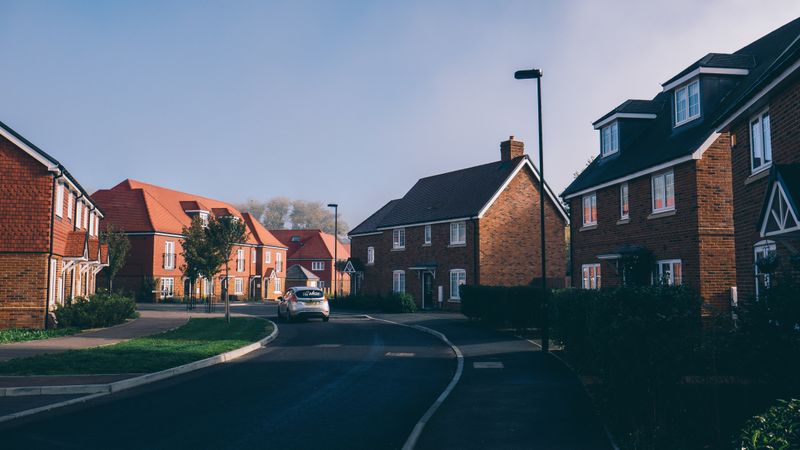
Homes transformed across the Midlands
A sample of finished Rockwarm installations. Placeholder images — replace with actual project photography via Sanity.
Ready to take the next step?
We will assess your property properly and advise honestly.
Free survey, no pressure, no obligation. Expert advice from a team that has been improving Midlands homes since 1985.
Common questions
How do I know if I have cavity walls?
The brick pattern and wall thickness often provide clues, but the simplest answer is to let us confirm it during a survey. Many homeowners are not completely sure until the property is properly checked.
How long does cavity wall insulation last?
When installed correctly in a suitable property, it should last for decades and is commonly expected to perform for 25 years or more without maintenance.
Can cavity insulation cause damp?
Problems tend to arise when unsuitable properties are insulated or the wrong materials are used. A proper survey is what prevents those mistakes.
My cavity was filled years ago. Can it be topped up?
Possibly. Old fill can settle or deteriorate, but it is important to assess the existing condition first so the right next step is recommended.
Is cavity wall insulation worth it?
For most suitable cavity-wall homes, yes. It is quick to install, comparatively affordable, and one of the best-value improvements available.
Do you do cavity wall insulation under grants?
Rockwarm mainly focuses on private installations and direct customer relationships. If you want to discuss grant options, we can talk it through honestly during your survey.
Explore related pages
If you are still comparing options, these pages will help you understand the wider Rockwarm offer before you book your survey.
Find out if your home is suitable
Book a free survey and we will check the walls, explain whether cavity filling is genuinely appropriate, and recommend the right next step for your property. If another route would be safer or better value, we will tell you that clearly.