
Core service
External Wall Insulation
Best suited to older solid-wall, exposed, and hard-to-heat homes that need warmer rooms, lower bills, and a full exterior transformation. Survey-led advice across the Midlands.
Why homeowners choose Rockwarm
25–40%
Typical heating-bill reduction
2–3 weeks
Typical installation programme
25+ years
Long-term system lifespan
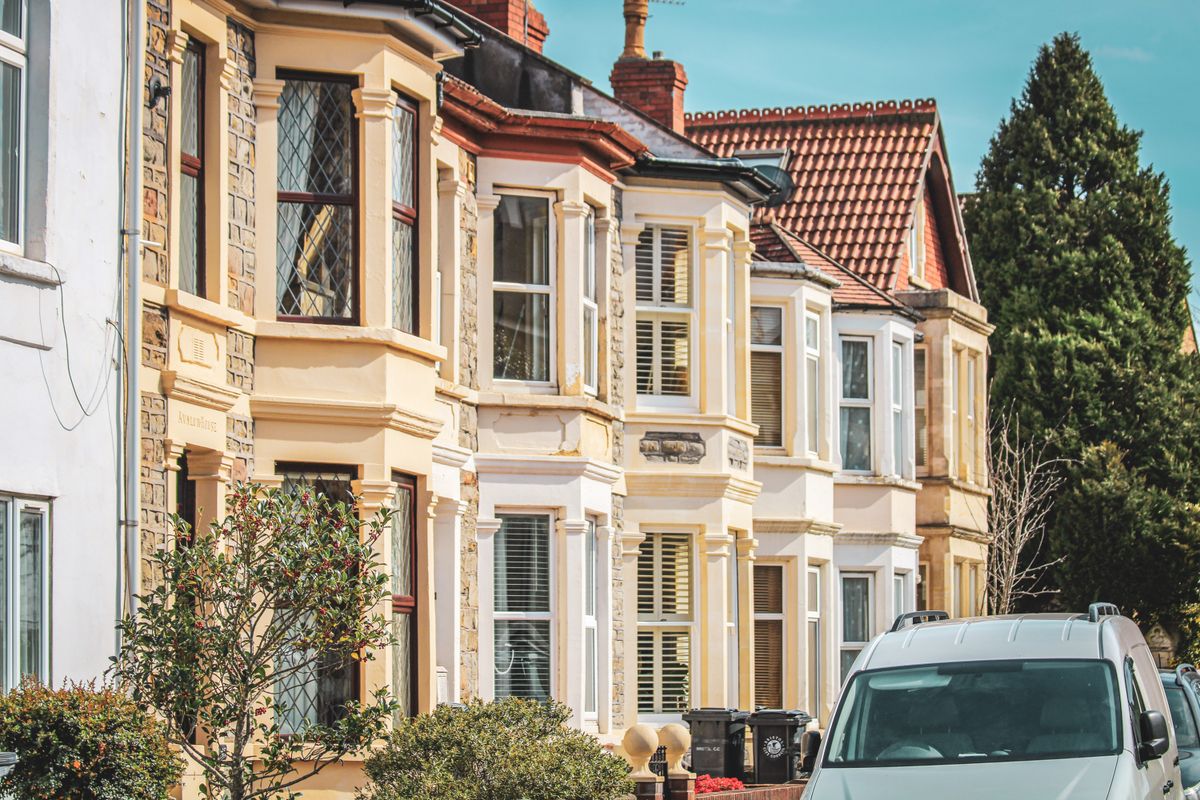
Who this service usually suits best
When external wall insulation is usually the right next move
This page is most relevant if your home is older, colder, exposed to the weather, or already needs exterior improvement work. It is especially strong for properties where you want both thermal performance and a visible upgrade rather than a hidden insulation measure alone.
Older solid-wall homes
Victorian, Edwardian, inter-war, and other solid-wall homes often lose heat quickly through the walls and benefit most clearly from a full external system.
Homes with recurring condensation or cold-wall problems
If walls feel cold to the touch, rooms are hard to keep comfortable, or mould keeps returning, external insulation is often the route that changes the surface temperature properly.
Properties needing an exterior refresh anyway
If the outside already needs attention because of tired render, cracked pebbledash, or dated brickwork, it often makes sense to improve warmth and appearance together.
If your property has a suitable cavity and you only want the quickest lower-cost wall upgrade, cavity wall insulation may be the better answer. That is exactly what the survey is there to confirm.
The problem we solve
Is your home impossible to keep warm?
You know the feeling. The heating has been on for hours, but certain rooms are still cold. You can feel the chill radiating off the walls, and your energy bills keep rising without the comfort to show for it.
For many Midlands homeowners, that pattern is strongest in older solid-wall properties, exposed elevations, and homes where the outside of the building is already showing its age.
If your home was built before the 1930s, there is often a simple explanation: solid brick or stone walls with no insulation at all. Heat escapes straight through them to the outside.
Even later homes can struggle because of failed cavity insulation, thin walls, or non-standard construction. The result is the same: a house that leaks heat and costs too much to run.
External wall insulation solves that properly. It is not a temporary patch. It is a full system that changes how your home feels, performs, and looks from the street.
How the system works
What external wall insulation actually is
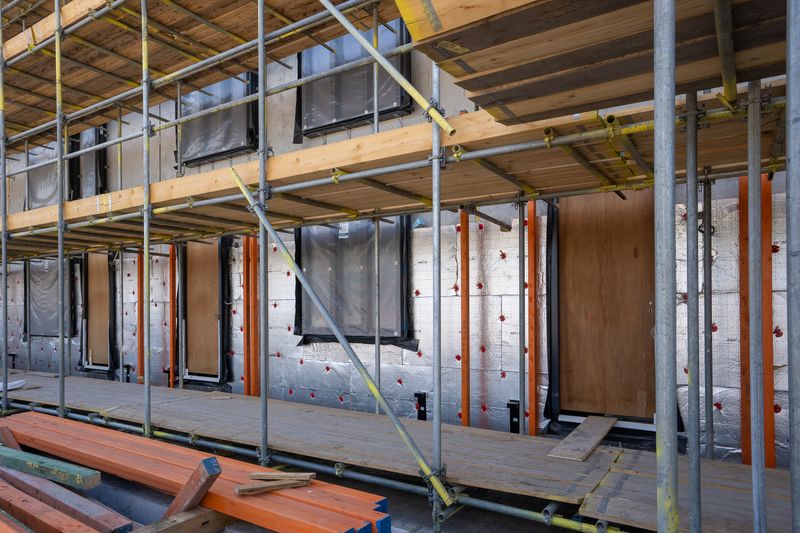
External wall insulation wraps the outside of your house in a new insulated envelope, then finishes it with a weatherproof render. Think of it as adding a warm, protective shell to the outside of the building.
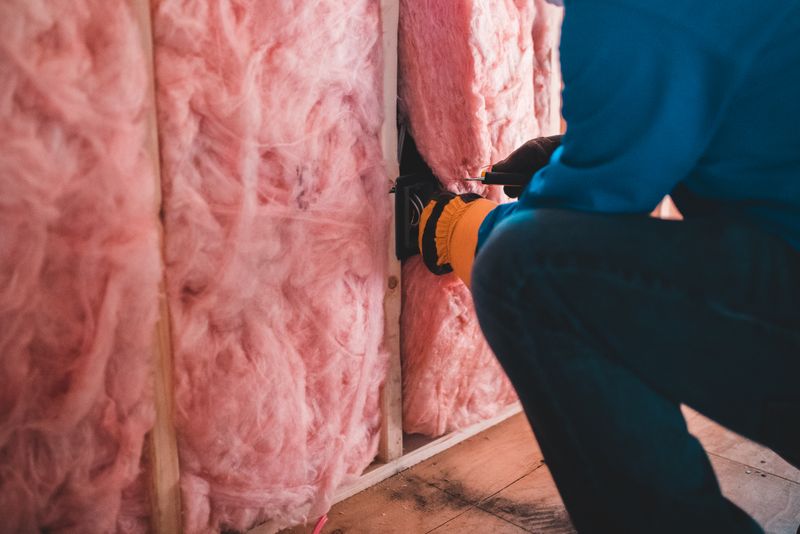
Insulation layer
Thick insulation boards are fixed to the outside of the home. Rockwarm uses Rockwool because it is breathable, fire-safe, and well suited to older solid-wall properties.
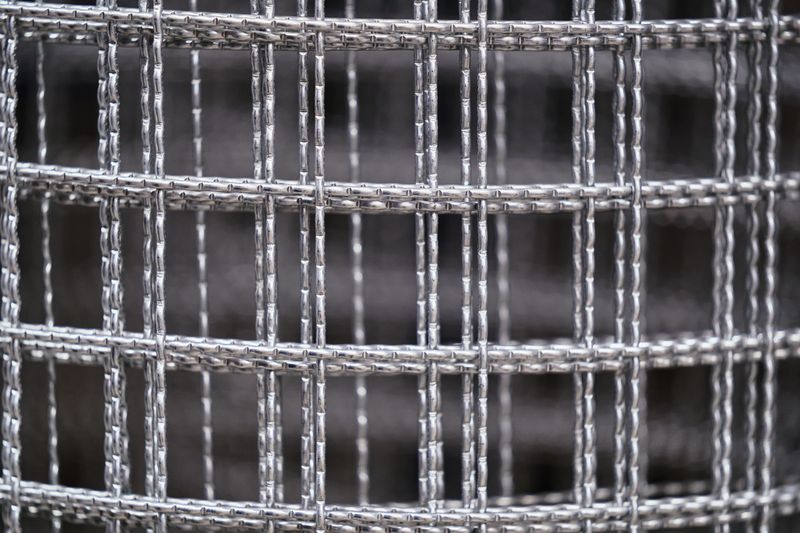
Reinforcement layer
A fibreglass reinforcing mesh is embedded into the base coat to create a durable, crack-resistant surface that can cope with daily weathering.
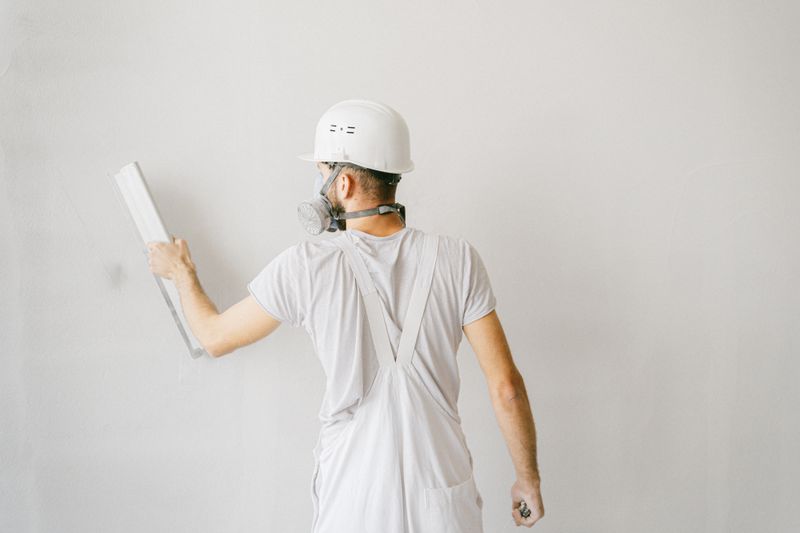
Render finish
A coloured silicone render provides the final appearance, weather protection, and the clean, transformed finish that customers notice straight away.
The complete system typically adds around 100–150mm to the external wall build-up. It is substantial work, but the thermal and visual difference is transformational. During the survey, we explain clearly whether that level of intervention is justified for your property or whether another route offers better value.
Why homeowners choose it
What external wall insulation does for your home
Your home holds heat
Cold external walls become warm to the touch, rooms stay comfortable for longer, and the house stops bleeding warmth to the outside.
Lower energy bills
Most customers report a meaningful reduction in heating costs because the property needs less energy to stay comfortable.
Condensation control
Warm walls do not trigger the same condensation cycle as cold ones, so mould, damp patches, and clammy rooms often improve dramatically.
A complete transformation outside
Tired brickwork, patchy repairs, and worn façades are replaced by a crisp rendered finish that often makes the home look newly built.
Weather protection
The system shields the original wall from rain, frost, and ongoing deterioration, helping preserve the structure underneath.
Property value uplift
A warmer, better-looking home with improved energy performance is a stronger proposition when it comes time to value or sell.
Material choices
Why we use Rockwool and K Rend
Rockwool insulation
We choose mineral wool instead of cheaper polystyrene because it is breathable, fireproof, acoustically better, and more appropriate for many older Midlands homes.
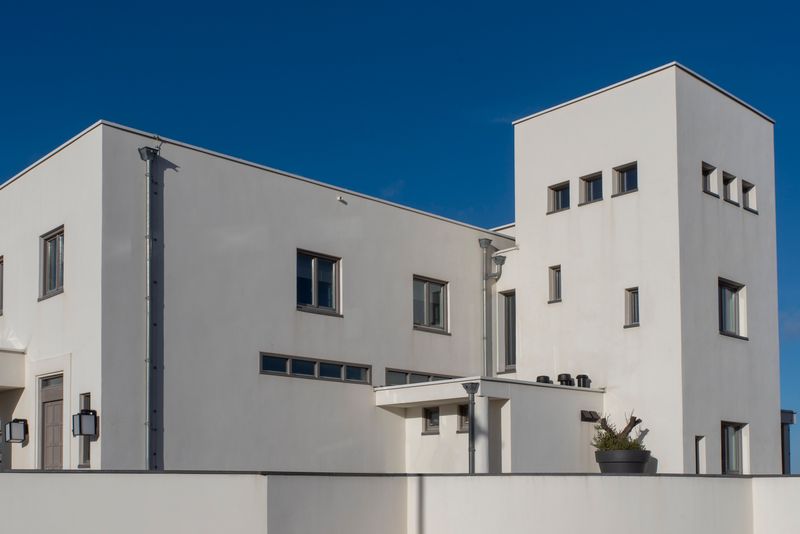
K Rend silicone render
Our standard finish is hydrophobic, breathable, colour-stable, and low maintenance. It gives the system both weather protection and the finished appearance you see every day.
During the survey, we talk through finish options, colours, detailing around windows and doors, and whether the system suits the property as a whole.
Is it right for your home?
Properties that benefit most from external wall insulation
Solid wall homes
Victorian terraces, Edwardian semis, cottages, and many pre-1930s houses often have no wall insulation at all, making EWI one of the best available solutions.
Homes with failed cavity insulation
Where cavities have underperformed or left the house cold, external insulation adds a robust extra thermal layer and solves appearance issues at the same time.
Non-standard construction
Concrete, steel-framed, and other less conventional wall types often respond particularly well to a properly specified external system.
Properties needing exterior work anyway
If the outside of the house already needs attention because of tired render, pebbledash, staining, or cracking, it often makes sense to address insulation and finish together.
Exposed elevations
North-facing walls and weather-beaten properties benefit from the extra protection and the warmer internal wall surface that EWI provides.
Not every property
Some homes have access constraints, planning complications, or architectural details that make EWI unsuitable. That is exactly why we start with a proper free survey.
From first visit to handover
What to expect when you work with Rockwarm
Free survey
We visit, assess your walls, and tell you honestly whether external wall insulation is the right route for your property.
Clear written quote
A detailed quotation covering preparation, insulation, render, and all finishing details — no hidden extras.
Installation
Scaffolding up, Rockwool boards fixed, base coat and K Rend applied. Most projects take two to three weeks.
Warmer home
Scaffolding down, site cleaned, and you are left with a transformed, warmer, and better-looking property.
Real results
From tired brickwork to a clean rendered finish
Drag the slider to compare before and after. Placeholder images — replace with actual Rockwarm project photography.
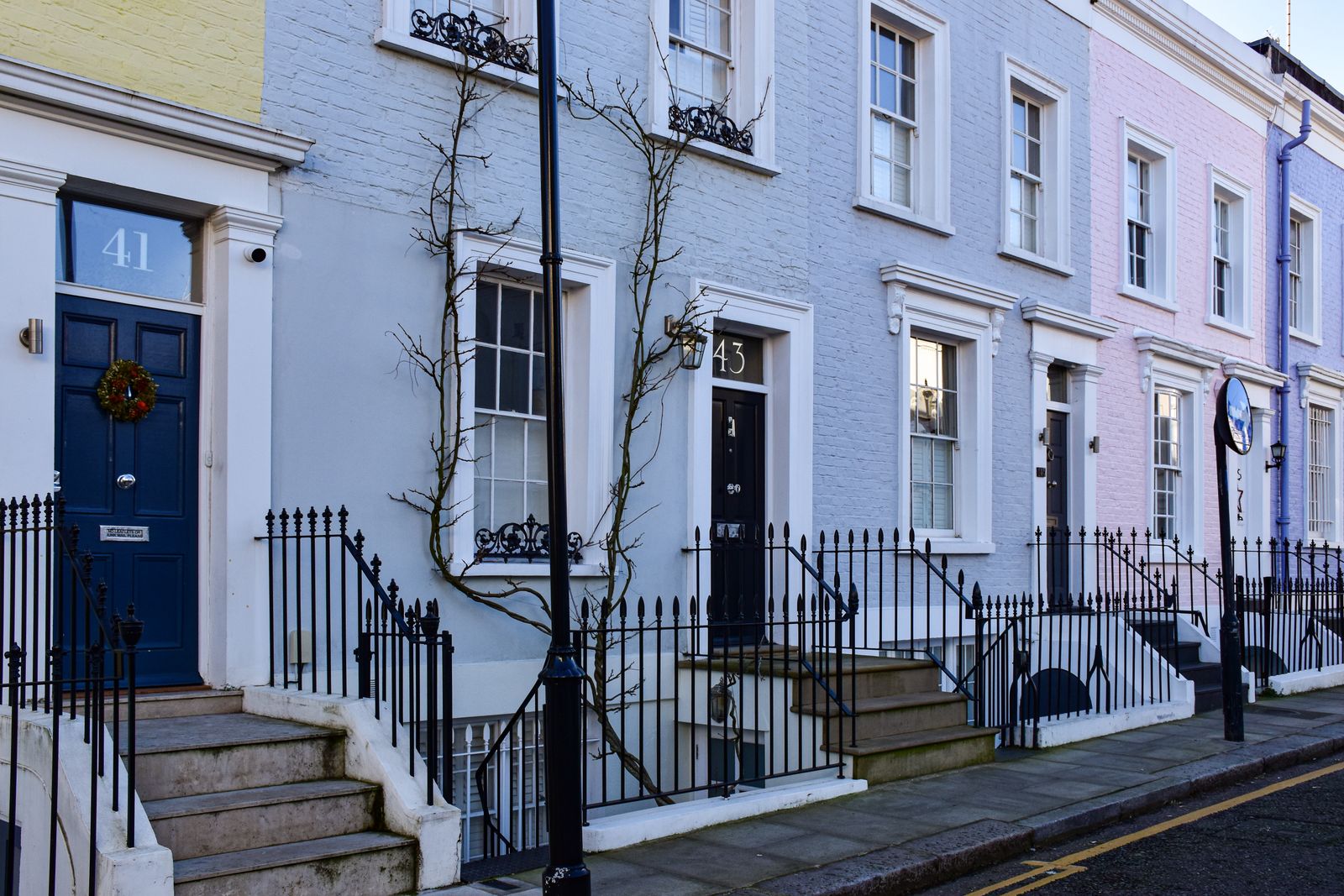
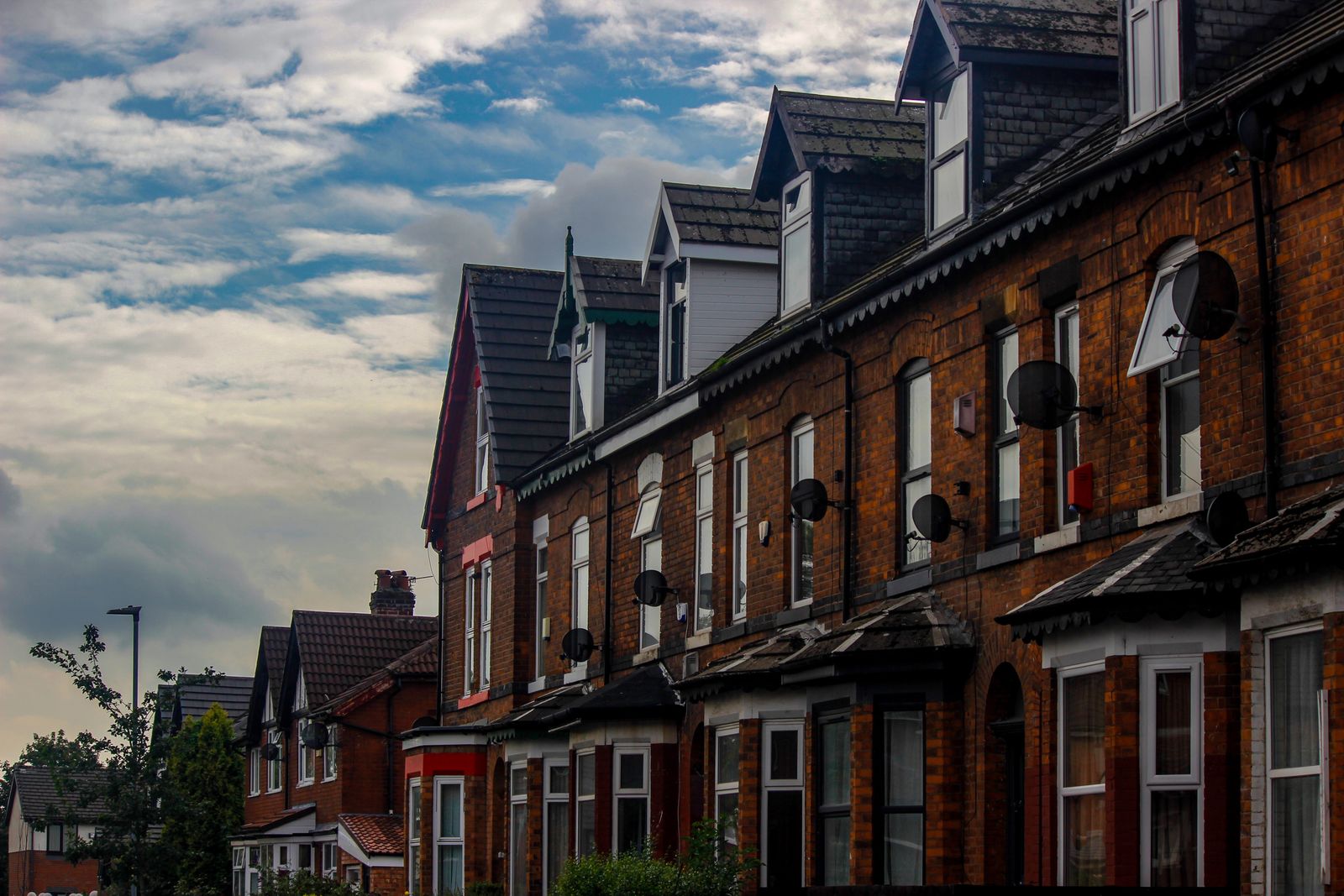
Drag the slider to compare the transformation.
Completed projects
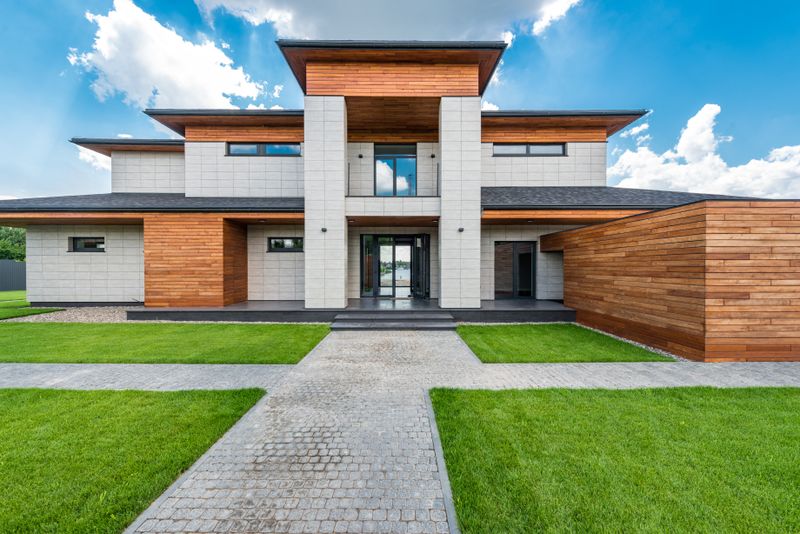
Homes transformed across the Midlands
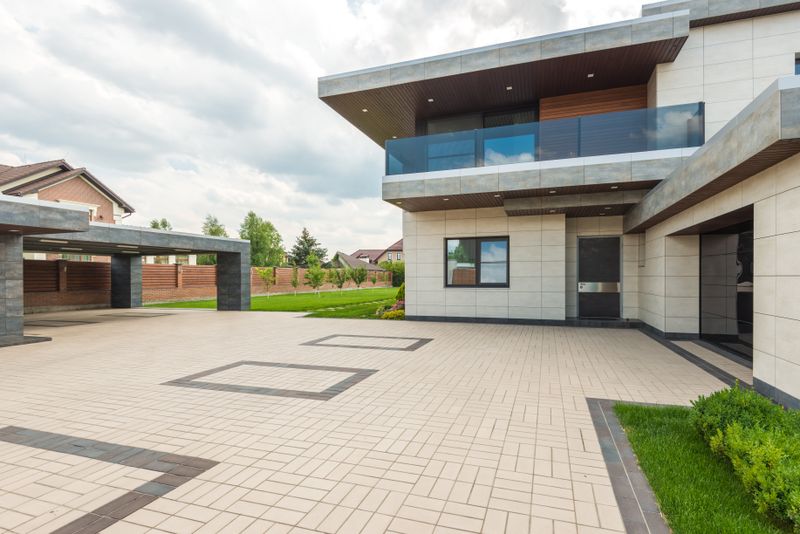
A sample of finished Rockwarm installations. Placeholder images — replace with actual project photography via Sanity.
Ready to take the next step?
We will assess your property properly and advise honestly.
Free survey, no pressure, no obligation. Expert advice from a team that has been improving Midlands homes since 1985.
Common questions
How long does external wall insulation last?
When it is properly installed with quality materials, external wall insulation should last 25–30 years or more. The insulation itself is long-lasting, and the render finish is measured in decades rather than short maintenance cycles.
Can I stay in my home during installation?
Yes. The work is carried out externally. There will be scaffolding and some noise, but customers usually continue living at home throughout the project.
Will it make my rooms smaller?
No. That is one of the main advantages over internal wall insulation. The system is added to the outside of the property, so internal room sizes stay exactly the same.
How much will I save on energy bills?
Most customers report a 25–40% reduction in heating costs, although the exact figure depends on the property, heating system, and how the home is used.
Do I need planning permission?
Usually not, because many projects fall under permitted development. If your home is listed, in a conservation area, or subject to restrictions, we will flag that during the survey.
What happens around windows, doors, gutters, and fittings?
Window and door reveals are detailed carefully to reduce cold bridging, while gutters, downpipes, and external fittings are removed and refitted as part of the job.
Can you insulate only part of a property?
Yes. Some customers insulate selected elevations or keep certain character details exposed. We can advise on what makes sense for your property and budget.
How does this compare with cavity wall insulation?
They solve different problems. Cavity wall insulation fills the gap inside a cavity wall, while external wall insulation adds a full insulated layer outside the building. For solid walls, EWI is usually the stronger option.
Explore related pages
If you are still comparing options, these pages will help you understand the wider Rockwarm offer before you book your survey.
Ready for a warmer home?
Book a free survey and we will assess your property, explain whether external wall insulation is genuinely the right fit, and give you an honest no-pressure quotation if it is. If cavity wall or loft insulation would offer better value first, we will tell you that clearly.