
Service
Loft Insulation
Often the best first step for homes losing heat through the roof. Affordable, effective, and usually completed in a day, with honest advice on whether loft insulation should come first or sit within a bigger whole-home plan.
Why homeowners choose Rockwarm
Up to 25%
Heat that can escape through an uninsulated roof
Half day–1 day
Typical installation time
270mm
Current recommended insulation depth
Who this service usually suits best
When loft insulation is often the smartest place to start
This page is most relevant if your loft insulation is thin, patchy, compressed, or missing and you want one of the fastest lower-disruption ways to improve comfort. It is often the best first move where the roof is the obvious weak point or where you want a sensible energy-saving upgrade before considering larger works.
Homes with little or no loft insulation
If your loft still has very old insulation, thin coverage, or bare joists showing, topping it up is often one of the quickest worthwhile upgrades available.
Homeowners who want a fast first-step improvement
Loft insulation suits households looking for a practical energy-saving measure that can usually be completed in half a day to a day without major disruption.
Properties where a whole-home plan may follow later
Many customers start with the loft because it is sensible and affordable, then decide during the survey whether walls or other measures should come next.
If the main problem is actually in the walls rather than the roof, we will say so. The aim is to help you spend money in the right place first, not just fill the loft because it sounds easy.
Why homeowners start here
Why loft insulation matters
Heat rises. In an uninsulated or poorly insulated home, a large share of your heating escapes straight through the roof.
That means a noticeable portion of your heating bill is disappearing through the ceiling while upstairs rooms still feel cold.
Loft insulation creates a thermal barrier that keeps that warmth in the living space where you want it. It is one of the simplest, fastest, and most cost-effective upgrades available.
If your existing loft insulation is thin, old, patchy, or missing altogether, topping it up can make a surprisingly quick difference to comfort and efficiency.
It also helps stop you wasting another heating season paying to warm air that is escaping straight through the roof.
The practical benefits
What proper loft insulation delivers
Immediate warmth improvement
The house retains heat more effectively from day one, and upstairs rooms tend to feel more comfortable during colder weather.
Lower energy bills
Reducing heat loss through the roof means your heating system does not need to work as hard to maintain comfort.
Quick payback
Because loft insulation is relatively affordable, many homeowners recover the cost through savings within a comparatively short period.
Fast installation
Most straightforward loft-insulation jobs can be completed in half a day to a full day with limited disruption.
Cooler in summer
Insulation also helps reduce heat gain through the roof, so it supports comfort in warmer months as well.
Long lifespan
Quality loft insulation can last 40 years or more with no ongoing maintenance requirement.
How much do you need?
A quick guide to loft insulation depth
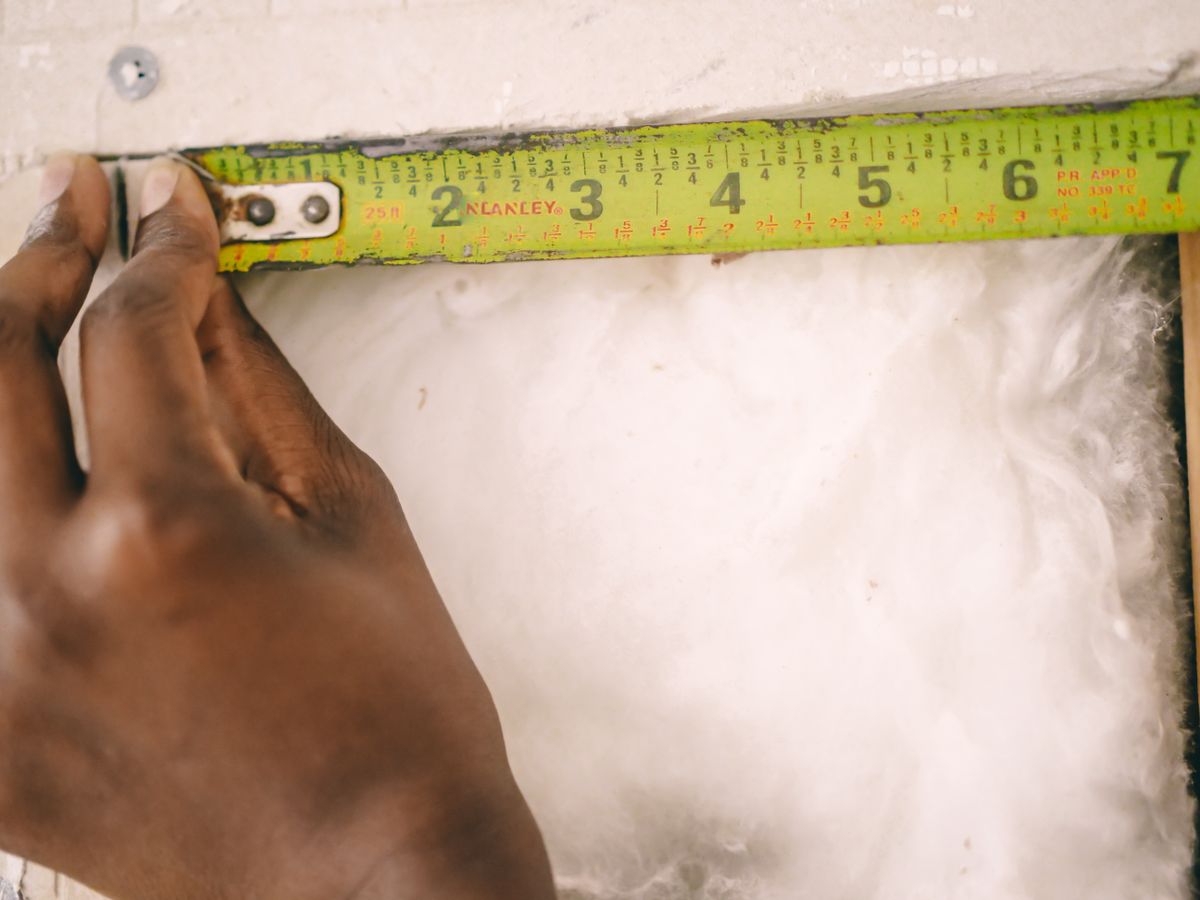
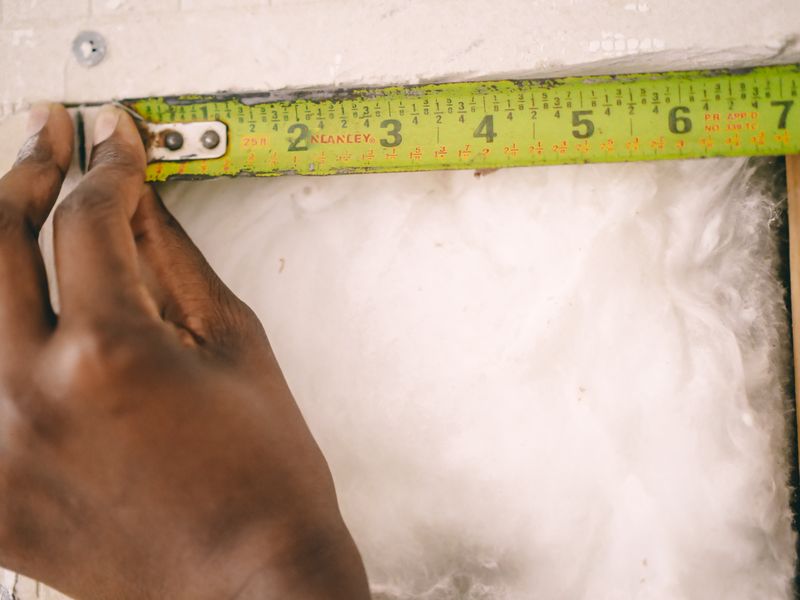
Current guidance typically points to 270mm of mineral wool insulation in lofts. Many older properties have far less than that, often because the original installation only covered the joists or has been compressed over time.
| Measure | Recommended action |
|---|---|
| No insulation | Install a full 270mm layer |
| 0–100mm | Top up to 270mm |
| 100–200mm | Top-up strongly recommended |
| 270mm+ | Usually adequate, subject to condition and coverage |
A quick practical test is whether you can still see the tops of the joists above the insulation. If you can, there is a good chance your loft needs topping up. For many homes, that makes loft insulation one of the easiest clear-cut improvements to act on quickly.
Material options
Types of loft insulation
Mineral wool rolls
This is the most common option and the one most homes are best suited to. It offers a strong balance of performance, practicality, and cost.
Loose-fill insulation
Loose material can work well for awkward spaces and some top-up situations where blanket-style rolls are less practical.
Rigid boards
Boards are useful when the loft is being used more intensively or where space is tighter and higher performance is needed in less depth.
Spray foam
Although it can be effective in some scenarios, we generally do not recommend spray foam for most homes because of cost and the complications it can create later.
What Rockwarm does
Our loft insulation service
Survey
We inspect the loft, check access, measure the existing insulation depth, and note any pipes, cables, tanks, or ventilation issues that matter.
Clear recommendation
We tell you whether the loft needs a full installation, a top-up, or whether your current insulation is already doing the job properly.
Installation
Our team installs mineral wool to the right depth and works carefully around the details that make the difference to long-term performance.
Attention to awkward areas
Corners, loft hatches, pipes, and other tricky areas are all important. We avoid gaps that can undermine the effectiveness of the whole job.
Clean finish
We leave the loft tidy, explain any raised boarding or access measures, and make sure you understand how to use the space safely afterwards.
Practical considerations
What to think about before insulating the loft
Loft access
A standard loft hatch is usually fine, but particularly restricted access can affect what is practical and how long the work takes.
Storage
If you use the loft for storage, raised boarding above the insulation may be the right solution so the insulation is not compressed.
Pipes and tanks
Because the loft space becomes colder, pipes and tanks need to be protected correctly as part of the wider installation approach.
Ventilation
We make sure insulation does not block eaves or other ventilation routes, because airflow matters for preventing condensation issues.
Electrical cables
Cables need to be considered carefully because burying them incorrectly can create overheating risks in some situations.
Existing defects
Any damp, pest, or structural issues in the loft should be identified and dealt with alongside the insulation work rather than ignored.
Part of a bigger plan
Loft insulation is often one piece of the puzzle
Loft insulation is a strong upgrade, but it only addresses one route of heat loss. If your walls are still uninsulated, the house may continue to lose a great deal of warmth even with a perfect loft installation.
That is why Rockwarm looks at the whole property rather than treating loft insulation as a one-size-fits-all answer. Sometimes it is the right stand-alone improvement. Sometimes it should be paired with wall insulation work.
Many customers start with a loft enquiry and realise during the survey that external wall insulation would make an even bigger difference to comfort, bills, and condensation.
Our job is to explain the priorities clearly and honestly, so you can decide whether loft insulation should be the first move, the only move for now, or part of a wider upgrade plan that gives better long-term value.
Real results
From bare joists to a properly insulated loft
Drag the slider to compare an uninsulated loft with bare exposed joists against a loft with mineral wool laid to the correct depth. Placeholder images — replace with actual Rockwarm project photography.
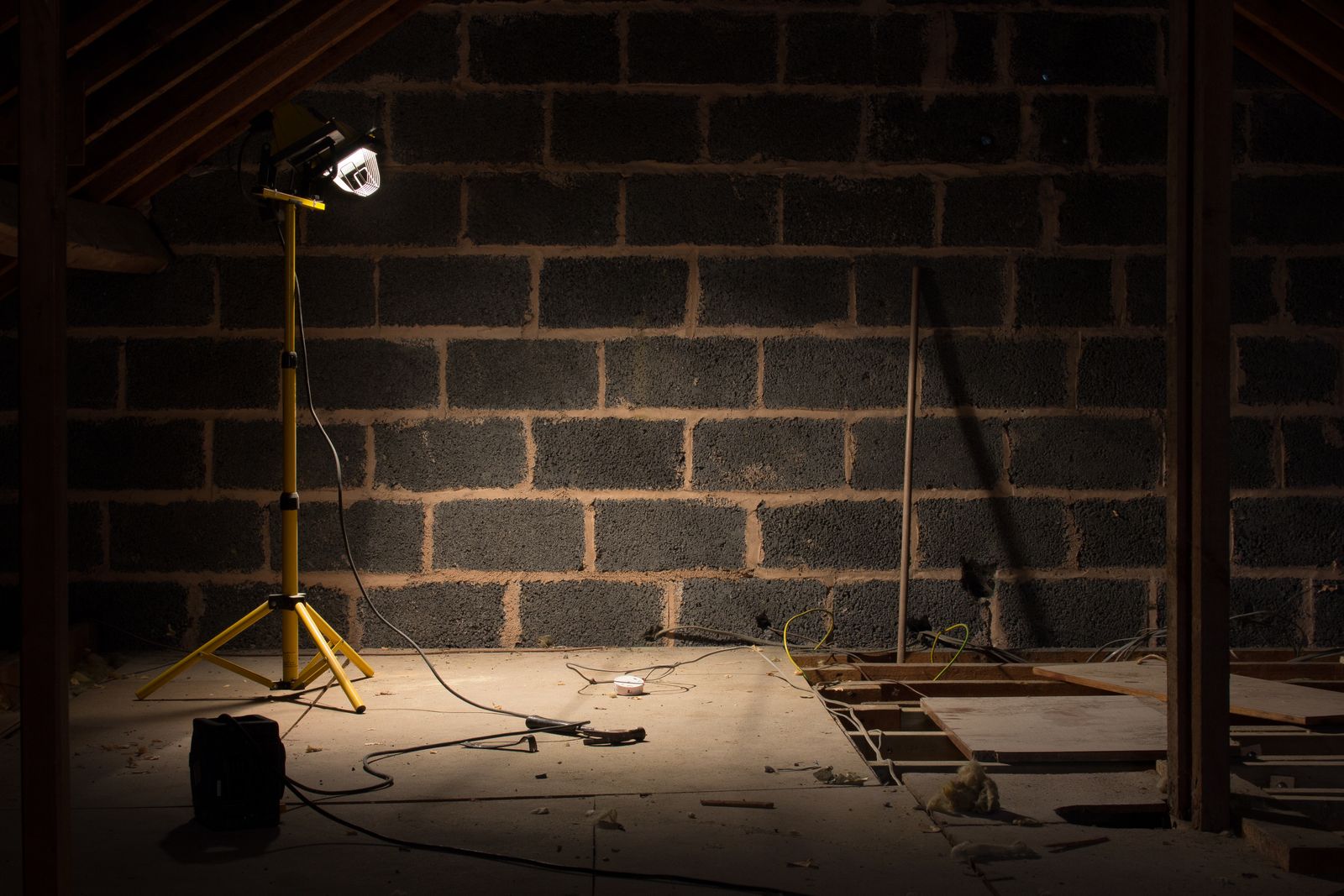
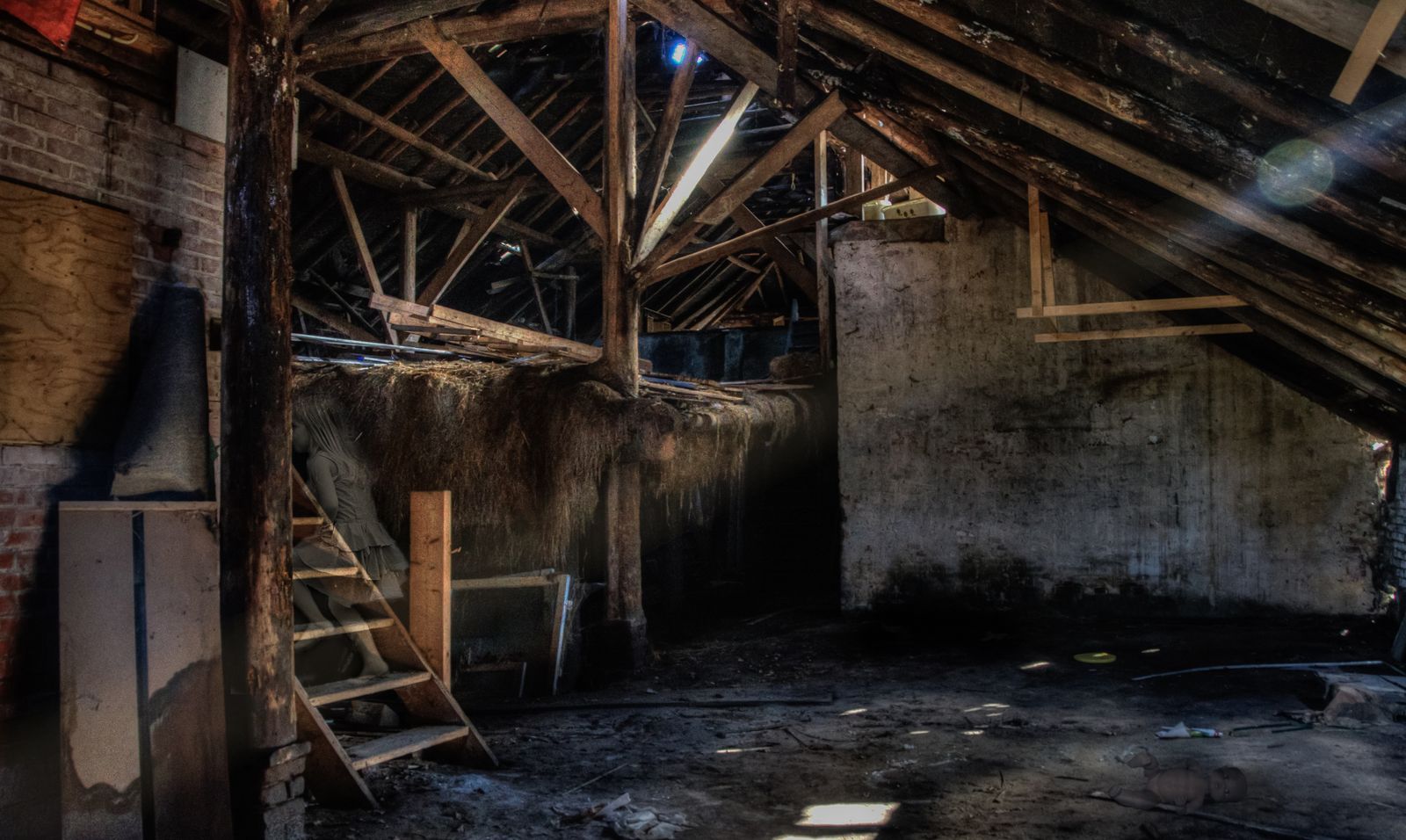
Drag the slider to compare the transformation.
Completed projects
Homes transformed across the Midlands
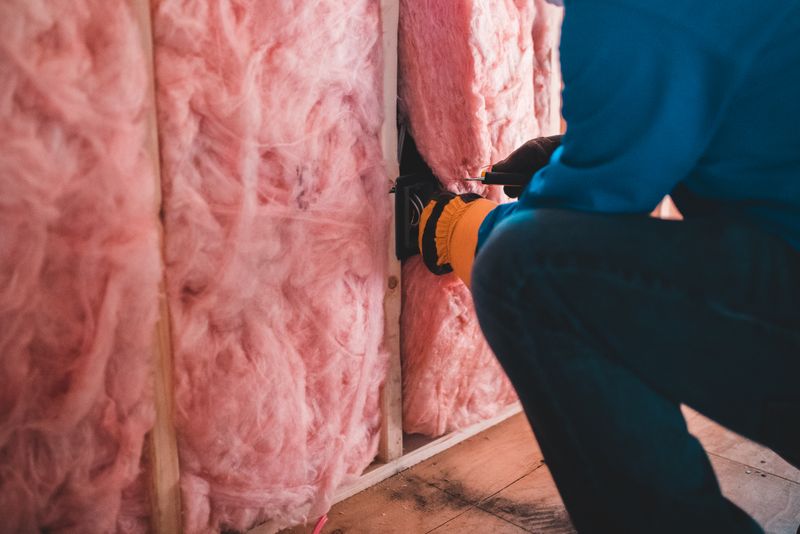
A sample of finished Rockwarm installations. Placeholder images — replace with actual project photography via Sanity.
Ready to take the next step?
We will assess your property properly and advise honestly.
Free survey, no pressure, no obligation. Expert advice from a team that has been improving Midlands homes since 1985.
Common questions
How long does loft insulation take to install?
In most straightforward cases, installation takes between half a day and a full day, depending on loft size, access, and complexity.
Do I need to empty my loft first?
It helps if stored items are moved away from where we need to work, but we can discuss the practicalities during the survey and advise on the best preparation.
Will loft insulation make the loft colder?
Yes, and that is expected. The insulation keeps the heat in the rooms below, which is why protecting pipes, tanks, and ventilation routes matters.
Can I still use my loft for storage?
Yes, but insulation should not be compressed by walking directly on it. Raised boarding or walkways are usually the right answer if storage is important.
How much does loft insulation cost?
It depends on loft size, access, whether the job is a full install or a top-up, and whether any boarding or associated works are needed. We quote after surveying.
Is loft insulation still worth it if I am also considering external wall insulation?
Usually yes. Walls and roof are both major heat-loss routes, so the two improvements often work well together as part of a wider energy-upgrade plan.
Explore related pages
If you are still comparing options, these pages will help you understand the wider Rockwarm offer before you book your survey.
Quick, affordable, effective
Book a free survey and we will check what is already in your loft, explain what is needed, and tell you honestly whether loft insulation should be the first priority or part of a wider plan. If it is the right next step, we will give you a clear quotation with no pressure attached.